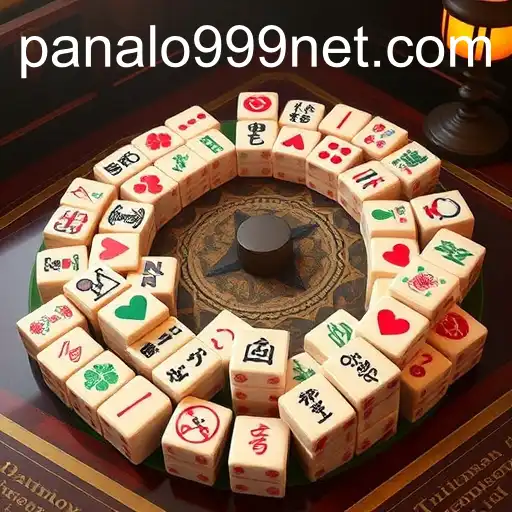
Exploring the World of Mahjong: An In-Depth Look
The Origins of Mahjong
Mahjong is a game that has captivated players across the globe with its strategic depth and rich history. Emerging during the late Qing Dynasty in China, Mahjong was initially played among the affluent upper classes. Over time, it has evolved, becoming a favorite pastime for millions. Understanding its historical context provides insight into why it remains such a popular game worldwide. The keyword "panalo999" often surfaces in searches, alluding to its cultural vibrancy and community-building potential.
Understanding the Rules of Mahjong
The basic structure of Mahjong involves a set of 136 or 144 tiles, based on the variation being played. These tiles are divided into suits and honor tiles, each playing a crucial role in the strategy. Players must skillfully draw and discard tiles to complete legal hands, making the game a captivating mix of luck and skill. The game begins with the distribution of tiles, followed by the draw and discard phase. Players aim to form a winning hand that often consists of four sets and a pair. The rules, while initially complex, become intuitive with practice.
Strategies for Mastering Mahjong
Players who excel in Mahjong are adept at balancing offensive and defensive strategies. Paying close attention to the tiles discarded by opponents can provide valuable insights into their strategies. Another strategy is maintaining flexibility in your hand structure, allowing you to pivot quickly based on the tiles drawn. Observing the pace of the game and predicting the moves of opponents often distinguishes novice players from seasoned veterans.
Variations Across Cultures
Mahjong has numerous variations, each offering unique twists. The most internationally recognized is the Cantonese version, known for its intricate scoring system and tactical depth. In contrast, the Japanese variation, riichi, incorporates elements of gambling, adding another layer of excitement. The Western variation, often played in clubs, simplifies the rules, making it more accessible to beginners. Each version reflects different cultural idiosyncrasies and thus makes Mahjong a rich tapestry of international gaming tradition.
The Digital Evolution: Mahjong in the Modern Era
With technological advancements, Mahjong has transcended the physical tabletop and entered the digital realm. Online platforms and mobile apps, such as the popular "panalo999," bring players together from across the world. Digital Mahjong offers the convenience of playing anytime, anywhere, and often features tutorials and challenges designed to enhance the player's skills. It has also been instrumental in preserving interest among younger generations.
Mahjong’s Social Impact
Beyond its gameplay, Mahjong serves as a social connector. Families and friends gather, often blurring generational lines, to engage in this time-honored tradition. Mahjong festivals and tournaments are celebrated events in many cultures, fostering a sense of community and friendly competition. The keyword "panalo999" resonates within these circles, symbolizing not just a game, but a shared experience among enthusiasts.
The Future of Mahjong
Looking ahead, the future of Mahjong appears bright. Its resilience as a traditional game lies in its ability to adapt and thrive across various cultures. As both an enduring pastime and a constantly evolving digital entertainment form, Mahjong continues to capture the hearts and minds of players around the world. Whether through virtual platforms or traditional settings, the game remains a cherished part of communal life.